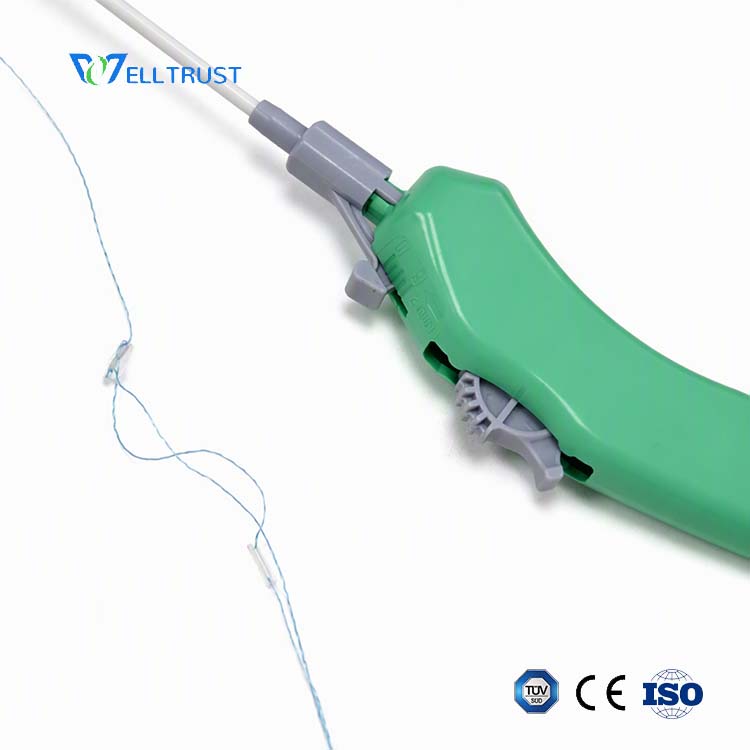
Gear-Trigger All-Suture Meniscus Repair System
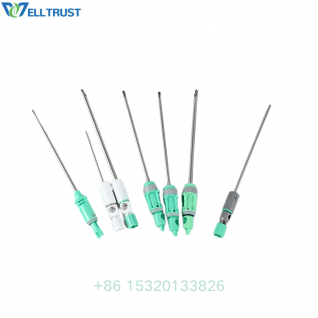
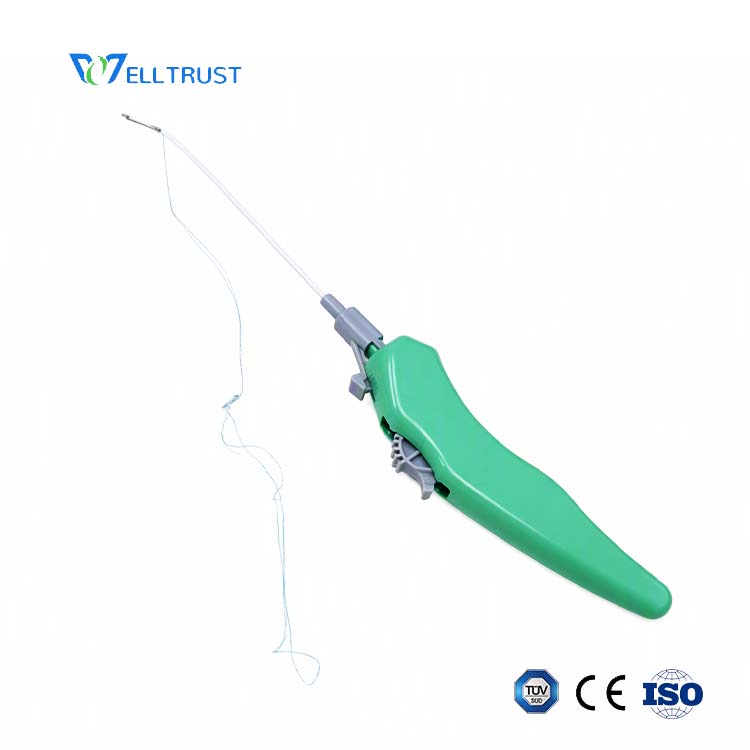
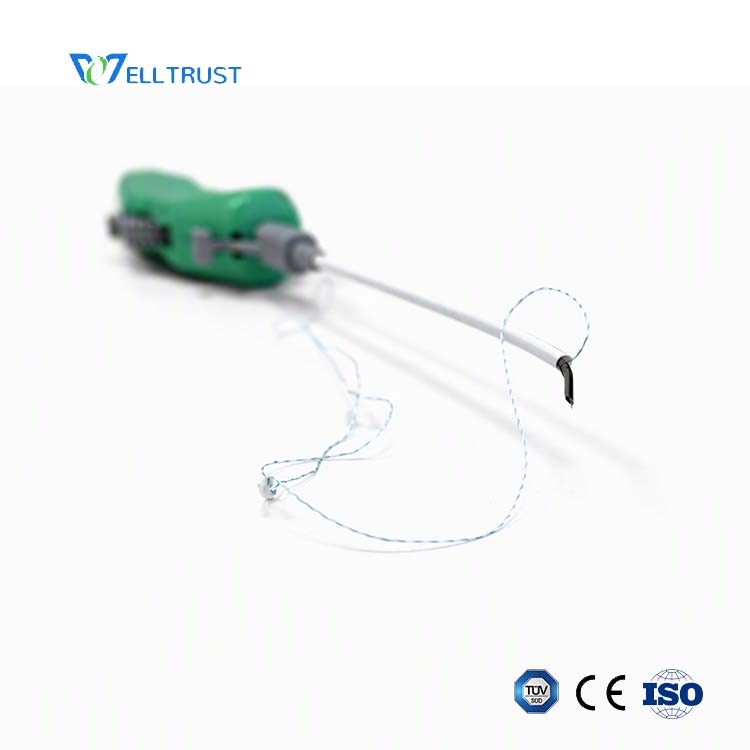
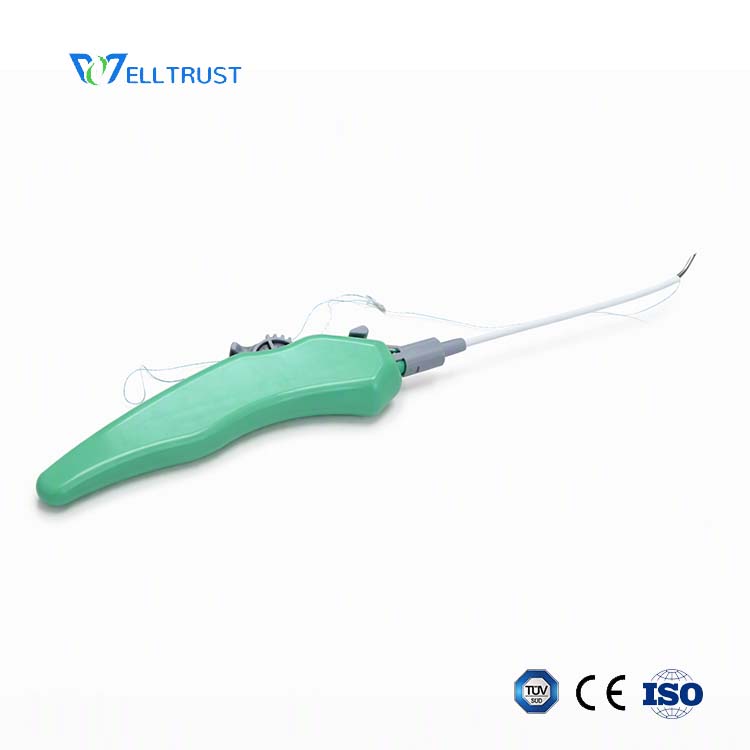
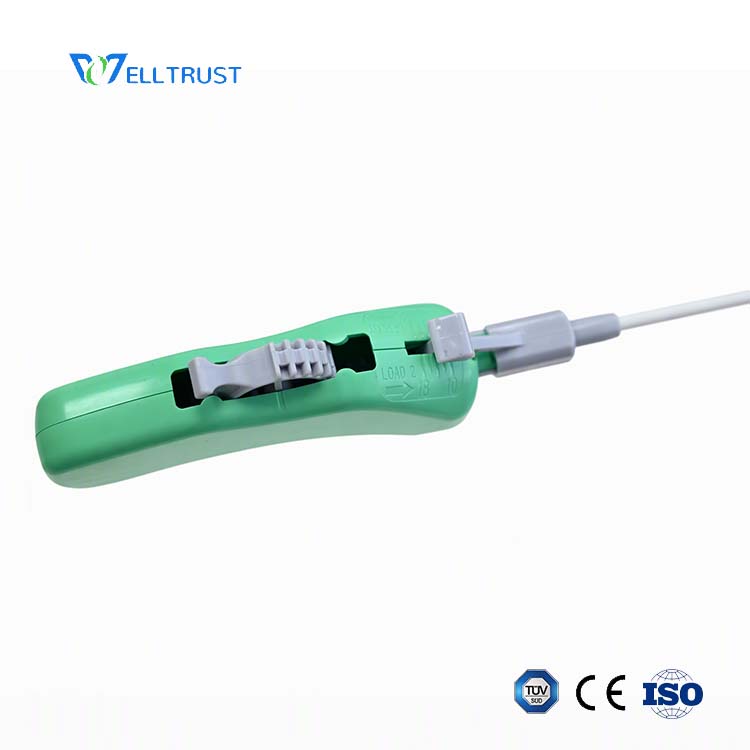
The Gear-Trigger All-Suture Meniscus Repair System is an arthroscopic device designed for the repair and suturing of meniscus injuries. Unlike a generic meniscus repair system description, this product page focuses on the visible gear-trigger knob, dual locking design, depth-limit slider and depth-limit cannula shown in the supplied product images.
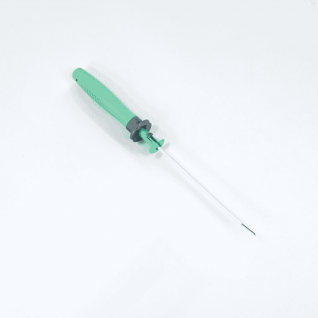
The gear-trigger knob provides a dedicated control interface for the deployment step of the repair workflow. The surgeon should operate the system under direct arthroscopic visualization and in accordance with the current surgical technique guide and instructions for use. The gear-trigger mechanism should be described as a deployment-control feature; the product page should not imply that the knob alone determines fixation strength or clinical outcome.
The system is shown with a depth-limit slider and depth-limit cannula. These features are intended to support controlled instrument positioning and insertion-depth management during arthroscopic meniscus repair. Depth settings must be selected according to the patient anatomy, tear location, surgical approach and the manufacturer’s validated technique. The image does not provide a confirmed numerical depth range, so no unverified millimeter value is included here.
The supplied catalog identifies two gear-trigger curved inserter options: LYMR-G02W with a 12° curved inserter and LYMR-G24W with a 24° curved inserter. The angled options can be presented as model choices for access to different meniscal regions, but the final model selection must be made by a qualified orthopedic surgeon according to the tear pattern and surgical plan.
The handle is shown with an ergonomic, anti-slip form. This design is intended to support instrument control during arthroscopic manipulation. The product information also describes a dual locking design intended to support suture fixation and meniscus repair stability. These statements describe the product design shown in the supplied materials and should not be converted into unverified clinical outcome claims.
Gear-trigger model options shown in the catalog:
The product is intended for use by trained healthcare professionals in orthopedic and sports-medicine settings. Product selection, insertion depth, implant deployment and postoperative management must follow the manufacturer’s current instructions for use, validated surgical technique and applicable local requirements.
Specification boundary: The supplied images do not confirm implant material, suture specification, sterile status, shelf life, packaging, regulatory certificates, MRI conditions or exact depth settings. Confirm these details in the manufacturer’s current technical documentation before publication or clinical use.
1. What is the main difference between this system and a generic all-suture meniscus repair system?
This version is specifically shown with a gear-trigger knob, dual locking design, depth-limit slider and depth-limit cannula. The page is therefore focused on the gear-trigger deployment configuration rather than only the general all-suture repair concept.
2. What gear-trigger models are shown?
The supplied catalog shows LYMR-G02W with a 12° curved inserter and LYMR-G24W with a 24° curved inserter.
3. What is the purpose of the depth-limit cannula and slider?
They are shown as features for managing the instrument position and insertion depth during arthroscopic repair. The correct setting must be selected by the surgeon according to the patient anatomy, tear location and validated instructions for use.
4. Is the gear-trigger knob the implant or fixation component?
No. The gear-trigger knob is a control feature of the delivery or repair instrument. The exact implant, suture and fixation configuration must be confirmed from the current product documentation.
5. Is the product sterile and ready for implantation?
Sterile status and sterilization method are not confirmed by the supplied images. Do not describe the product as sterile or implant-ready unless the product label and current technical documentation confirm it.
6. Which inserter angle should be selected?
The catalog shows 12° and 24° curved inserter options. The responsible surgeon should select the appropriate configuration based on the meniscal tear pattern, target zone, patient anatomy and surgical technique.